AEO Marketing
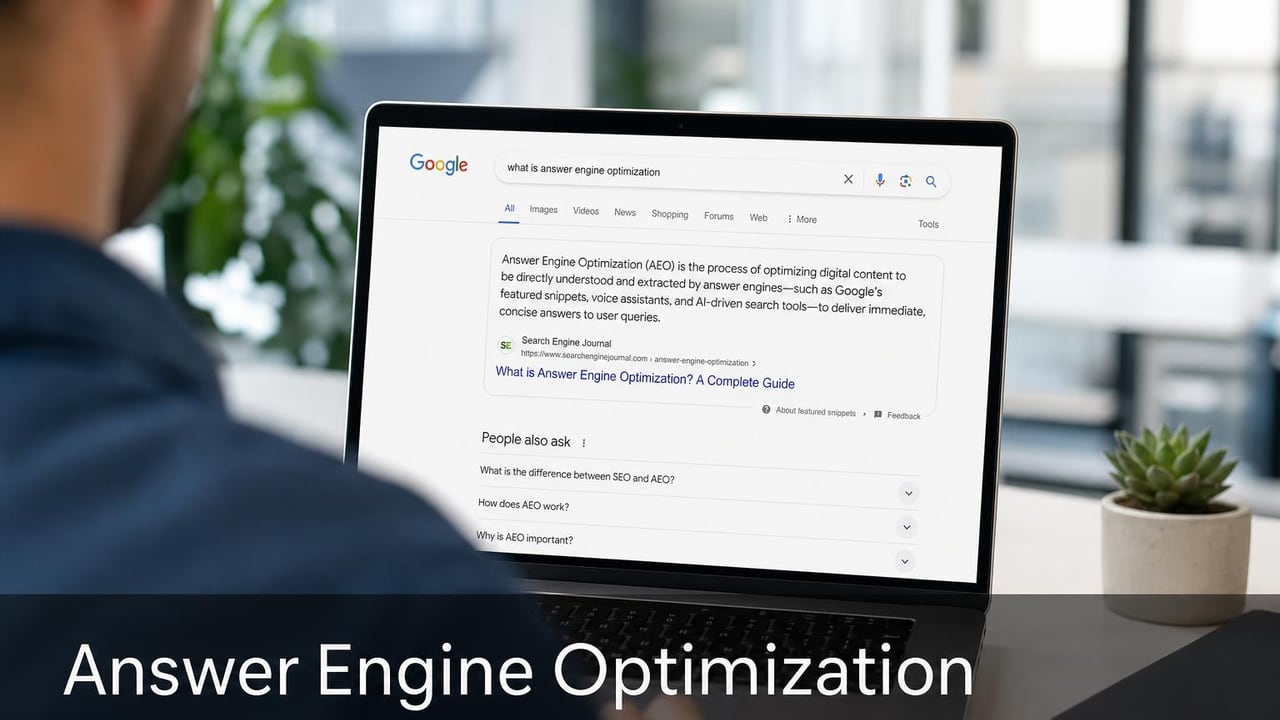
Navigating the Shift from SEO to Answer Engine Optimization
The digital marketing landscape is undergoing a fundamental transformation, marked by a significant shift from traditional Search Engine Optimization (SEO) to a more nuanced approach: Answer Engine Optimization (AEO). This evolution is not about abandoning the principles of SEO, but rather adapting them to a new reality where users expect direct, conversational answers, not just a list of links. Navigating this change is critical for maintaining visibility and authority in a world increasingly dominated by AI-driven search.
At the core of this change are generative AI technologies that are actively reshaping the user search experience. Platforms like Google's AI Overviews, ChatGPT, Gemini, and Perplexity are functioning less like traditional search engines and more like knowledge engines. They synthesize information from multiple sources to provide a single, comprehensive answer. For businesses, the goal is no longer just to rank highly, but to be the source of truth within that synthesized answer. The focus of optimization is now on becoming the definitive source.
This new paradigm places immense importance on the concept of an entity—a well-defined, verifiable person, place, organization, or concept. For an AI answer engine to trust and cite your content, it must first understand who you are and recognize your expertise. Building a strong, interconnected digital presence and leveraging structured data are now foundational tactics for ensuring your brand is not just a keyword, but a recognized entity in this new conversational search ecosystem.
Comparison table
The Core Technologies Reshaping Search
The evolution from a traditional search engine to a modern answer engine is not a superficial change; it is a fundamental technological shift. Understanding the core technologies driving this transformation is essential for any effective Answer Engine Optimization (AEO) strategy. These systems work in concert, reshaping how information is processed and presented, moving far beyond simple keyword matching. Successfully navigating this new landscape means grasping the mechanics behind the answers.

- Large Language Models (LLMs) & Generative AI: This is the most visible technology at play. LLMs are the power behind conversational platforms like ChatGPT, Perplexity, and the generative summaries in Google's AI Overviews. For AEO, this means your content must be clear, well-structured, and authoritative enough to be used as a source for the AI-generated answer. The goal of optimization is becoming a trusted source for these models.
- Knowledge Graphs & Entity SEO: Before an LLM can generate an answer, the search engine must understand the concepts involved. Knowledge Graphs are vast databases of interconnected facts about people, places, and things—known as entities. The core of modern optimization is ensuring your brand, products, and key personnel are recognized as distinct entities within this graph. This shift from optimizing for keywords to optimizing for an entity is crucial for visibility.
- Natural Language Processing (NLP): NLP is the bridge that allows the engine to understand the nuances and intent behind human language. It deciphers complex, conversational queries to grasp what a user truly wants, not just the words they typed. This technology is why a user can ask "What are the best local cafes with outdoor seating?" and get a relevant, synthesized answer. Effective AEO involves creating content that directly addresses these nuanced user intents.
Entity SEO: Becoming a Definitive Source for AI
The fundamental shift from keyword-focused tactics to modern answer engine optimization is rooted in a single concept: the entity. An entity is not just a word but a distinct, verifiable thing—a person, a brand, a product, a location, or a concept that search algorithms can understand in relation to other things. While the core technologies of AI are reshaping search, their ability to comprehend context and relationships is what truly matters. For these systems, your brand must transition from being a collection of keywords to becoming a recognized, authoritative entity.
The primary goal of entity SEO is to establish your brand, products, and key personnel as the definitive, unambiguous sources of information in your niche. When a user asks a question, AI models like Google's AI Overviews, Gemini, or Perplexity synthesize information from sources they deem most credible for the entities involved. If the AI understands your company as the primary entity for a specific service, it is far more likely to cite your content directly in its generated answer. This requires a strategic approach to navigating how information about you is presented across the web.
Building your authority as an entity involves several practical steps:
- Structured Data Implementation: Use Schema.org markup to explicitly tell search engines what your content is about. Define your organization, products, services, and people as clear entities with specific attributes.
- Knowledge Graph Integration: Ensure your brand has a presence in key knowledge bases like Wikipedia and Wikidata, and maintain a complete and accurate Google Business Profile. These are foundational sources for an AI's understanding of the world.
- Content That Defines: Create comprehensive, in-depth content that thoroughly explains your core topics. Go beyond simple blog posts to develop resource hubs, glossaries, and detailed guides that position you as a teacher, not just a marketer.
- Consistent Brand Mentions: Cultivate consistent, unlinked brand mentions across reputable industry websites, forums, and publications. These mentions act as citations that reinforce your entity's relevance and authority, even without a direct link.
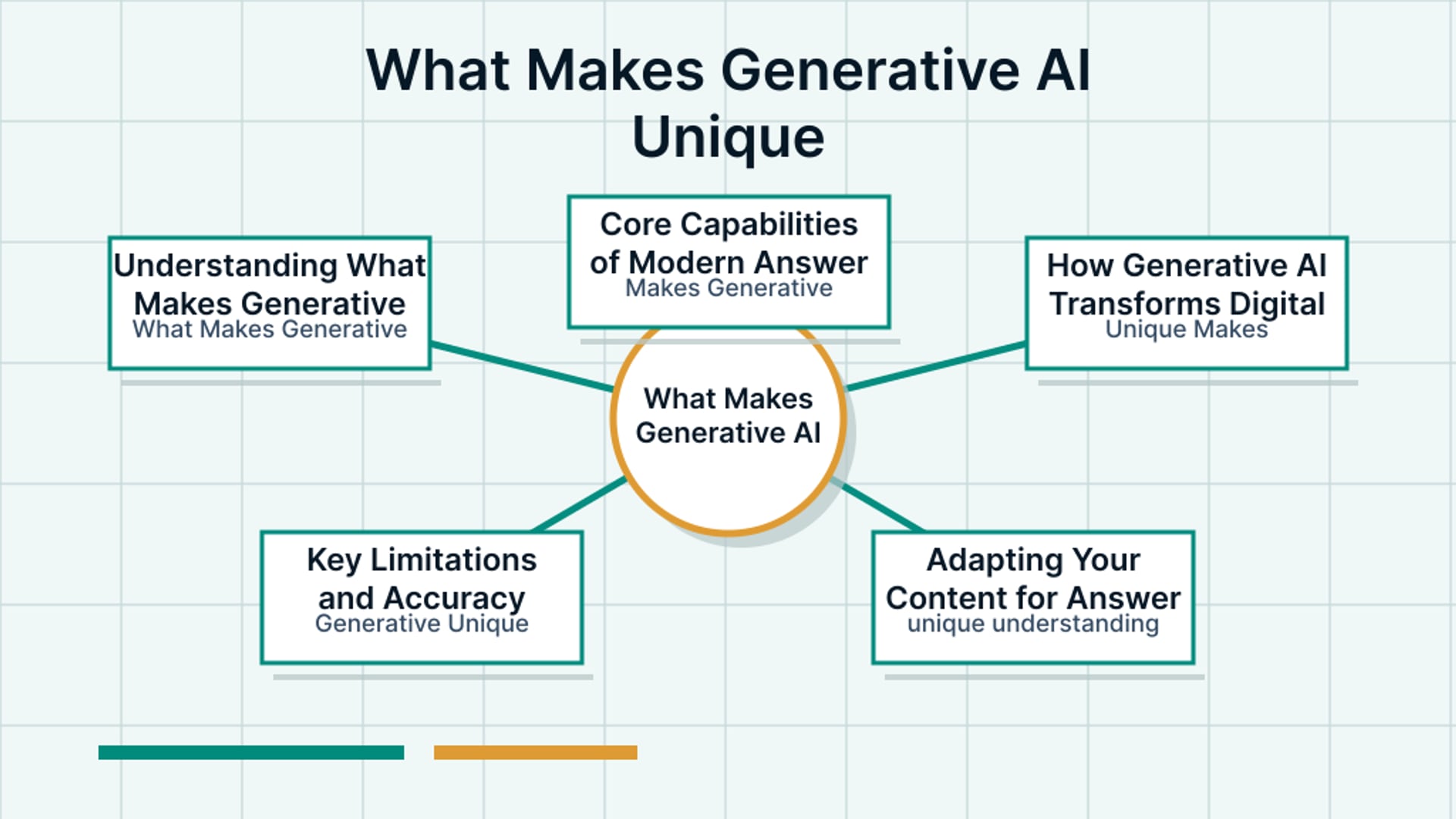
Infographic at a glance
Visual summary of the key points on this topic.





Crafting Content for AI-Powered Answers
Successfully navigating the shift from traditional SEO to Answer Engine Optimization requires a fundamental change in how content is created. The goal is no longer just to rank for a keyword, but to become the direct, citable source for an AI-generated answer. This means your content must be structured to be easily understood, verified, and synthesized by the core technologies now reshaping the search landscape, including those powering Google's AI Overviews, Perplexity, and Gemini.

The strategic focus moves away from simply targeting queries and toward building a comprehensive knowledge base around your core entity. The objective is your brand becoming synonymous with expertise in its niche. To achieve this, content strategy must prioritize clarity, authority, and machine-readability.
-
Write for Humans, Structure for Machines
Create content that directly answers specific user questions in a clear, conversational tone. Use FAQ schemas, how-to schemas, and well-defined heading structures (H3, H4) to break down complex topics. This format is ideal for AI models seeking quick, definitive answers to populate results in AI Overviews or ChatGPT sessions.
-
Prioritize Factual Accuracy and E-E-A-T
Every claim must be verifiable and supported by evidence, with clear citations or links to authoritative sources. This builds trust not only with users but also with the AI algorithms that are increasingly programmed to identify and prioritize signals of Experience, Expertise, Authoritativeness, and Trustworthiness (E-E-A-T). Inaccurate or unsubstantiated content is a primary reason for being ignored by an answer engine.
-
Develop Comprehensive Topic Clusters
Instead of thin, isolated articles, build comprehensive pillar pages and topic clusters that cover a subject exhaustively. This demonstrates deep expertise and makes your domain the most logical source for an AI to synthesize a complete answer from. This is a core tenet of modern entity-based optimization.
-
Integrate Brand Mention Tracking
Monitor how your brand, products, and key personnel are mentioned across the web. Positive, unlinked mentions are valuable signals that reinforce your entity's authority within the knowledge graph. This data provides crucial feedback for refining your content and public relations strategy to enhance your visibility in AI-driven search.
The Growing Importance of Geo-Optimized Content (GEO)
As AI technologies continue reshaping the search landscape, a critical shift is occurring from broad answer engine optimization to a more focused, local approach: Geo-Optimized Content (GEO). This evolution is a core component of modern AEO, especially for businesses with physical locations or service areas. Navigating this change means understanding that AI-powered tools like Google AI Overviews, Perplexity, and Gemini prioritize verifiable, location-specific data to provide immediate, actionable answers.
The goal of GEO is for your business entity to become the definitive answer for local queries. When a user asks an AI assistant for "emergency plumbing services in Brooklyn" or "best croissants near me," the engine isn't just crawling websites. It's synthesizing data from Google Business Profiles, local directories, geo-tagged content, and brand mentions associated with a specific place. Your optimization efforts must therefore focus on building a strong, consistent, and authoritative local data footprint.
Practical Strategies for Geo-Optimization in the AI Era
Effective GEO involves more than just traditional local SEO. It requires a strategic approach to feeding AI systems the precise data they need:
- Treat Your Google Business Profile (GBP) as a Primary Data Feed: Your GBP is a foundational data source for Google's AI. Keep every section meticulously updated—services, hours, Q&A, photos, and posts. This structured information is often the first data point an answer engine consults for local queries.
- Develop Hyper-Local Content: Create dedicated pages or posts for each service area or neighborhood. Discuss local projects, mention nearby landmarks, or sponsor a local event. This content helps AI solidify the connection between your business entity and a specific geographic location, making your brand the most relevant result.
- Ensure Data Consistency (NAPU): Go beyond Name, Address, and Phone number (NAP). Ensure consistency for your URL as well (NAPU) across all high-authority local directories and data aggregators. Inconsistencies can confuse AI models and dilute your entity's authority.
- Leverage LocalBusiness Schema: Implement structured data on your website to explicitly tell search engines about your location, hours, and services. This removes ambiguity and makes it easier for AI to parse and trust your information, increasing the likelihood of it being featured in a direct answer.
By focusing on these tactics, you are not just optimizing for a search engine; you are actively structuring your digital presence to be the most reliable and complete answer for AI-driven local discovery.
Measuring Success in an Answer-First World
The fundamental shift from a list of blue links to direct answers is reshaping how we measure digital marketing success. Traditional metrics like click-through rates and page rankings, while still relevant, no longer tell the whole story. Navigating this new landscape requires a focus on metrics that reflect influence and authority within AI-driven ecosystems. The goal of answer engine optimization is not just to attract a click, but to have your brand's entity becoming the source of truth for platforms like Google AI Overviews, Perplexity, and Gemini.
Evaluating performance in this environment means tracking new key performance indicators. These metrics move beyond on-site traffic to measure your brand's visibility and authority across the conversational search landscape:
- Answer-Engine Visibility: This measures how frequently your brand, products, or content are featured or cited directly within AI-generated answers. Success is no longer about being ranked #1, but about being the cited source in the answer itself. Specialized tools are emerging to track these appearances, which are the new currency of visibility.
- Unlinked Brand Mention Velocity: Monitoring the volume and sentiment of brand mentions across AI platforms and the wider web provides a powerful proxy for authority. An increase in positive, unlinked mentions suggests that the core technologies of AI are recognizing your brand as a definitive resource, even without a direct click-through.
- Entity Salience and Knowledge Graph Presence: Success can be measured by how well-defined and authoritative your brand's entity is within Google's Knowledge Graph and other data sources. This involves tracking the richness of your entity profile, the number of associated attributes, and its connection to relevant topics. A strong entity presence directly influences your likelihood of being featured in AI-powered results.
- Share of Answer: Similar to Share of Voice, this metric quantifies your brand's presence within AI-generated answers for a specific set of high-value queries. It provides a competitive benchmark for understanding who owns the narrative in your niche.
Ultimately, measuring success requires connecting these new visibility metrics to bottom-line results. While the path to conversion is less direct, tracking increases in branded search volume, direct traffic, and assisted conversions can demonstrate the downstream impact of a successful AEO strategy. The focus is on building long-term authority that positions your brand as the default answer, driving trust and business growth in an AI-first world.
The Future of Search: Generative Experiences and User Intent
The evolution of search is accelerating beyond simple question-and-answer formats. We are witnessing a fundamental shift from a transactional search engine to a conversational reasoning partner. The future involves navigating a landscape where generative experiences, like those powered by Google's AI Overviews and Perplexity, anticipate and guide the entire user journey. The core of this change lies in understanding nuanced, multi-turn user intent rather than just matching keywords to documents.
These advanced technologies are actively reshaping user expectations. An answer is no longer the final destination but the starting point of a deeper exploration. For businesses, this means that optimization is becoming less about ranking for a single query and more about earning a place within a complex, AI-synthesized narrative. The goal is to provide the definitive information that AI models like Gemini and ChatGPT trust when constructing comprehensive responses that compare products, plan itineraries, or solve multi-step problems.
To succeed in this new paradigm, your brand's digital entity must be robust and unambiguous. The AI must understand not only what your business offers but also its context, authority, and relationship to other entities in your field. This requires a strategic approach to content that builds topical authority around entire customer problems, not just isolated facts. Success will be defined by how well your content ecosystem can inform and influence the generative dialogue, ensuring your brand is a trusted voice in the AI-driven conversations of tomorrow.
Integrating AEO into Your Core Digital Strategy
The journey from traditional SEO to Answer Engine Optimization represents a fundamental strategic shift, not merely a tactical update. Successfully navigating this evolution requires more than adopting new tools; it demands embedding AEO principles into the very core of your digital marketing framework. This means moving from a keyword-centric model to a comprehensive strategy focused on becoming a recognized and trusted entity in your domain. The goal is no longer just to rank, but to be the definitive answer.
True integration means that AEO informs every aspect of your online presence. Your content strategy must prioritize creating clear, authoritative, and structured information that directly addresses user intent, making it easily digestible for technologies like Google's AI Overviews and Perplexity. Your technical SEO efforts must be laser-focused on entity optimization, using robust schema markup to define who you are, what you do, and how you relate to other concepts. Even your public relations and outreach campaigns should be viewed through an AEO lens, targeting brand mentions and citations that solidify your authority and expertise in the "eyes" of AI language models.
Ultimately, the core technologies reshaping search are forcing a convergence of content, technical SEO, and brand authority. By making answer engine optimization a central pillar of your strategy, you are proactively building a resilient digital presence. You are not just chasing algorithms; you are focused on becoming the most reliable source of information in your niche, ensuring your brand is the one providing the answers, no matter which AI engine the user is consulting.
For a stronger practical context, compare this topic with digital marketing in the age of AI, review LLM and AI search visibility, and see who benefits from AI search visibility services.
For external reference, review Google Search Central guidance on AI features and OpenAI crawler documentation.
FAQ
How does Answer Engine Optimization (AEO) differ from traditional Search Engine Optimization (SEO)?
While traditional SEO focuses on ranking web pages for keywords, Answer Engine Optimization (AEO) aims to make your brand's information the direct answer to user queries within AI-driven platforms. This includes Google's AI Overviews, ChatGPT, and Perplexity. AEO is less about keyword density and more about structured data, factual accuracy, and establishing your brand as a recognized entity on a specific topic. It involves creating clear, concise, and authoritative content that can be easily parsed and presented by AI models. The goal is not just to get a click to your website, but to become the source of the answer itself, building authority and visibility directly within the answer engine's interface. This shift requires a focus on semantic context and conversational query patterns.
What role do AI tools like ChatGPT and Gemini play in an AEO strategy?
AI tools like ChatGPT and Gemini are central to an AEO strategy, serving both as optimization targets and as powerful assistants. As targets, we analyze how these models source and present information to ensure your brand's content is visible and accurately represented. As assistants, we leverage them for sophisticated user intent research, identifying the specific questions your audience is asking. They help generate structured data markups, brainstorm content clusters around key entities, and refine copy to be more conversational and direct. By understanding how these large language models operate, we can craft content that is more likely to be selected as a definitive answer, effectively reverse-engineering the process for optimal visibility within these emerging conversational search interfaces.
How can my business optimize its content to appear in Google's AI Overviews?
Securing a spot in Google's AI Overviews requires a strategic focus on clear, factual, and well-structured content. Start by directly answering common user questions in a concise format, using clear headings and lists. Implement comprehensive Schema markup (structured data) to help Google understand the context of your content, such as product details, event information, or FAQ sections. It is also vital to build topical authority by creating in-depth, expert-level content clusters around your core services or products. Citing credible sources and ensuring your information is up-to-date signals trustworthiness. Prioritizing content that satisfies user intent quickly and authoritatively increases the likelihood that Google's AI will select it as a reliable source for its generated summaries, placing your brand at the top of search results.
What is entity SEO, and why is it crucial for visibility on platforms like Perplexity?
Entity SEO is the practice of optimizing for concepts, people, places, and things—not just keywords. It involves building a clear, interconnected web of information around your brand and its offerings so that search engines and AI models understand who you are, what you do, and your relationship to other entities. This is crucial for platforms like Perplexity, which synthesize information from multiple sources to provide a direct answer. By establishing your brand as a distinct entity with clear attributes (e.g., location, services, industry), you make it easier for these systems to confidently cite your information. This is achieved through structured data, consistent information across platforms like Google Business Profile and industry directories, and creating content that clearly defines your expertise within your niche.
Why is tracking brand mentions essential for a modern AEO and reputation management strategy?
Tracking brand mentions is critical for AEO because answer engines like Google's AI Overviews and Perplexity compile information from across the web. Every mention, positive or negative, contributes to the AI's understanding of your brand's reputation, expertise, and authority. By monitoring these mentions, you can ensure the information being associated with your brand is accurate and favorable. This allows you to amplify positive press, address misinformation promptly, and identify opportunities to build authority by participating in relevant conversations. Consistent, positive sentiment and factual accuracy across various third-party sources send strong signals to AI models that your brand is a trustworthy entity, increasing the chances your information will be used to answer user queries directly.
How does Geo-targeting fit into an Answer Engine Optimization (AEO) strategy for local businesses?
For local businesses, geo-targeting is a fundamental component of AEO. Answer engines prioritize providing locally relevant results, especially for queries with local intent like "best coffee shop near me." An effective geo-AEO strategy involves optimizing your Google Business Profile with precise, up-to-date information, including your address, hours, and services. It also means creating content that explicitly mentions your service areas, neighborhoods, and local landmarks. This helps AI models like Gemini and Google's AI Overviews confidently associate your business with a specific geographic location. By generating positive local reviews and ensuring your business name, address, and phone number are consistent across all online directories, you establish strong local entity signals, making you the go-to answer for nearby customers.